Event websites in 2026 are no longer just informational pages. They are immersive digital platforms that support global audiences, complex agendas, registrations, content discovery, and brand storytelling before, during, and after the event.
This curated list highlights 10 real event websites that set strong benchmarks for design, usability, performance, and experience — starting with three projects delivered by Smart Web Agency, followed by seven globally recognised event platforms.
1. CyberQ
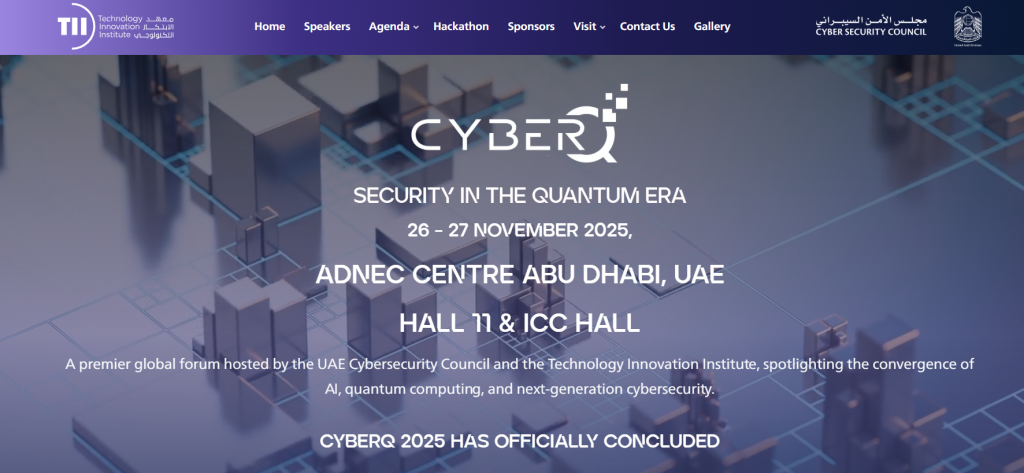
CyberQ is a high-profile cybersecurity-focused event platform designed to support a forward-looking audience of technology leaders, innovators, and policymakers. The website delivers a sharp, modern interface that aligns with the event’s advanced subject matter while remaining accessible and easy to navigate.
The platform balances strong visual identity with practical functionality, allowing users to quickly explore agendas, speakers, themes, and event updates. Clean layouts, structured content blocks, and performance-first development ensure a smooth experience even during peak traffic periods, making CyberQ a strong reference point for technology-led event websites in 2026.
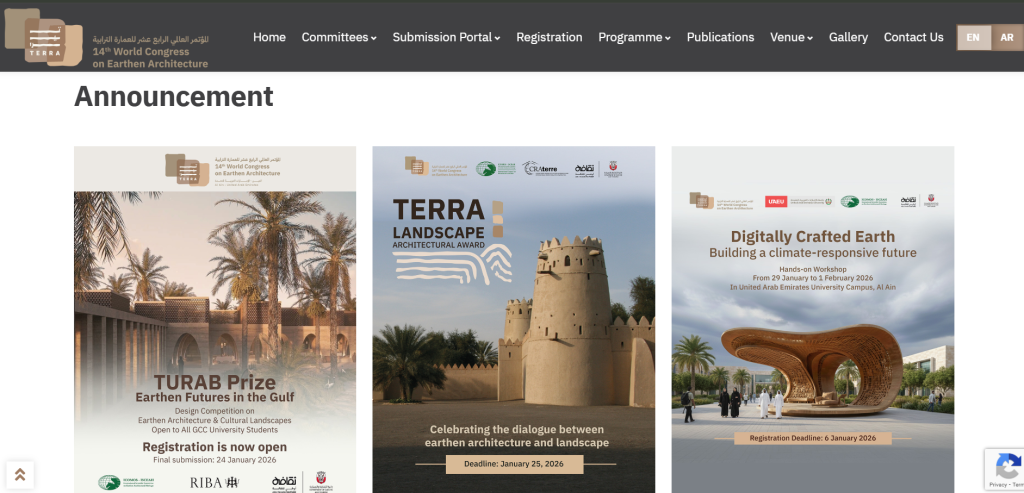
The Terra World Congress is a globally respected forum dedicated to the study and conservation of earthen architectural, archaeological, and cultural landscape heritage. Organised under the aegis of ICOMOS–ISCEAH, the Terra 2026 World Congress in Al Ain represents the 14th edition of this prestigious event and marks the first time it is hosted in the Arab region.
With a main theme of “Managing Change in Earthen Cultural Landscapes”, the event is expected to attract 700–1000 international participants and feature 120–150 presentations. The website was designed to manage a content-rich, multi-day programme that includes talks, posters, digital materials, side events, and activities.
The platform focuses on clarity, accessibility, and academic credibility, ensuring that researchers, practitioners, and attendees can easily explore sessions, themes, and congress information while maintaining a refined and culturally sensitive digital presence.
3. DIACC – Dubai International Air Chiefs Conference
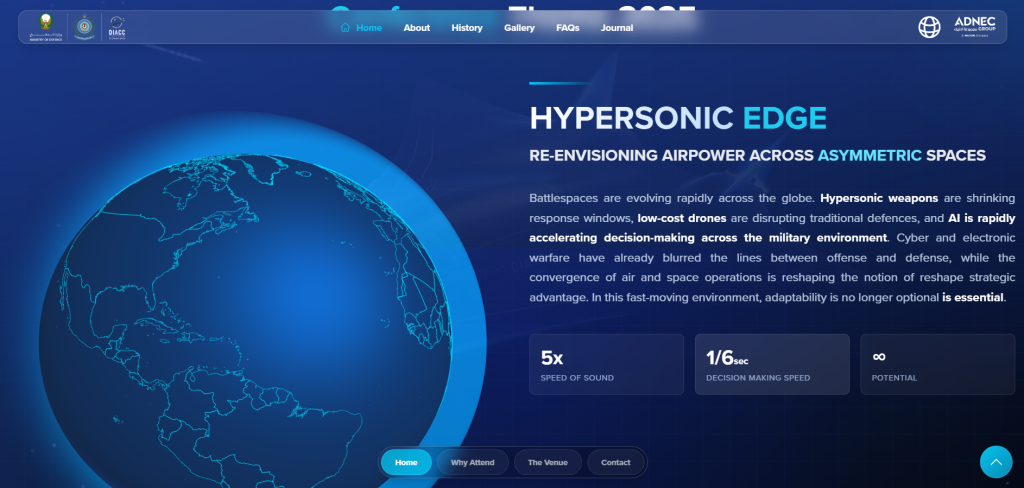
Since its launch in 2003, DIACC has grown into the world’s longest-running and most prestigious international air power conference. Hosted by the UAE Air Force and Air Defence, DIACC serves as the official global platform for shaping the future of defence aviation and brings together air power leaders from more than seventy nations.
As a key meeting point for the global air power community, the DIACC website is designed to reflect authority, scale, and strategic importance. It supports high-level content, speaker profiles, programme information, and event updates while maintaining performance, security, and reliability.
For its upcoming 12th edition, the platform has been expanded to introduce new value-enhancing features that improve the overall experience for participants, reinforcing DIACC’s position as a benchmark for defence and aviation event websites in 2026.
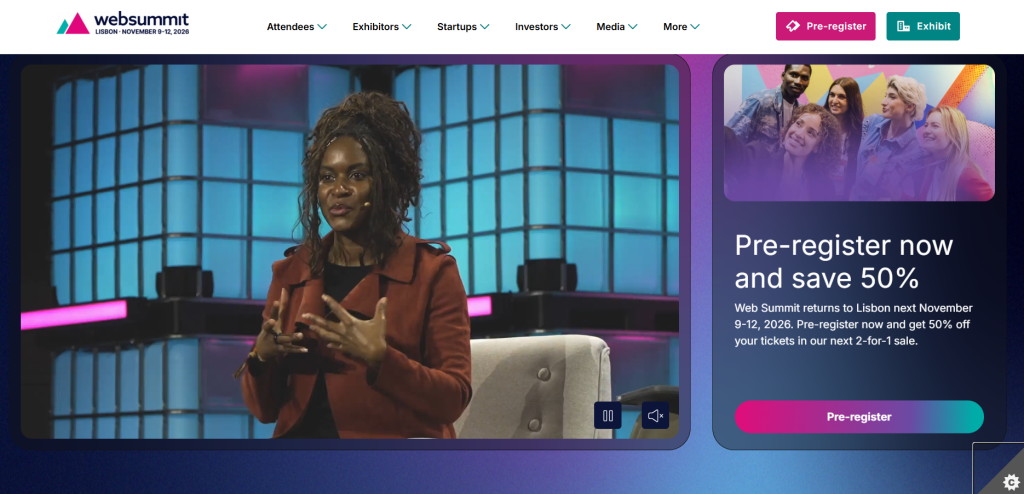
Web Summit is one of the world’s largest and most influential technology conferences, and its website reflects the scale and ambition of the event. The platform handles massive volumes of content while remaining visually engaging and surprisingly intuitive.
From speaker discovery and agenda exploration to startup showcases and city-wide experiences, the website demonstrates how large-scale events can maintain clarity through strong information architecture, modular layouts, and consistent interaction patterns. Web Summit remains a gold standard for global tech event platforms.
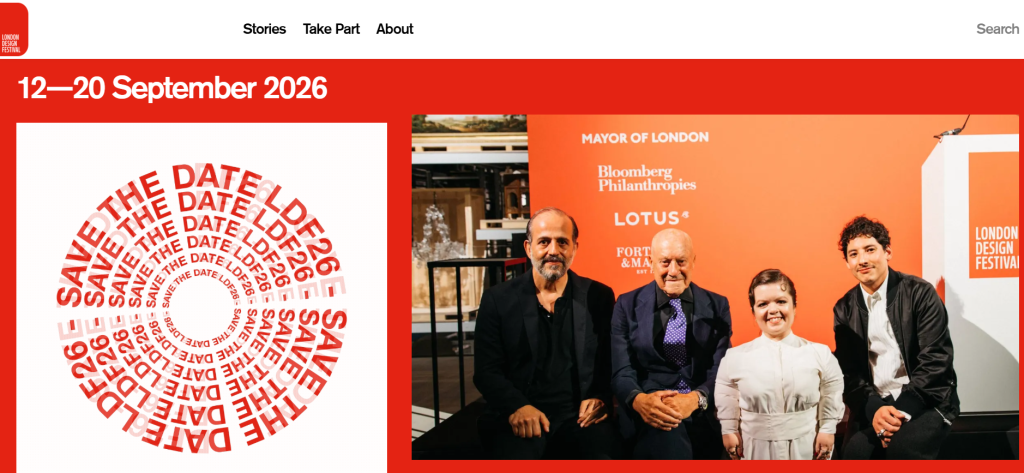
London Design Festival’s website is a masterclass in combining editorial storytelling with functional event navigation. The platform supports a city-wide programme of exhibitions, installations, and talks while maintaining a strong visual identity rooted in design culture.
Clear categorisation, rich imagery, and thoughtful typography allow visitors to explore events by location, theme, or discipline. The site shows how design-led events can deliver depth and inspiration without compromising usability or performance.
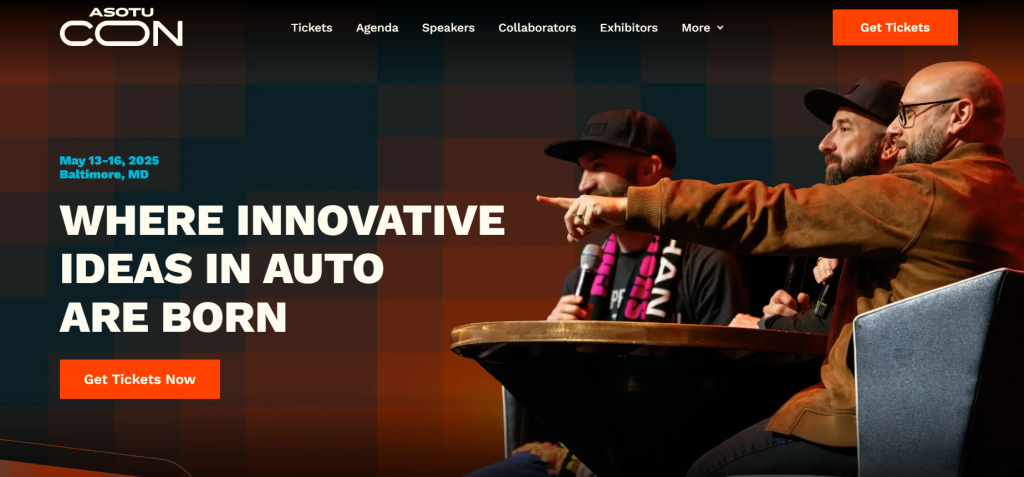
ASOTU Con is a niche but influential conference focused on automotive retail innovation. Its website is built around clarity and conversion, guiding visitors smoothly through event value propositions, speaker highlights, and registration flows.
The platform demonstrates how focused content strategy, strong messaging, and clean UX can elevate industry-specific events, making complex subject matter approachable and engaging for a targeted audience.
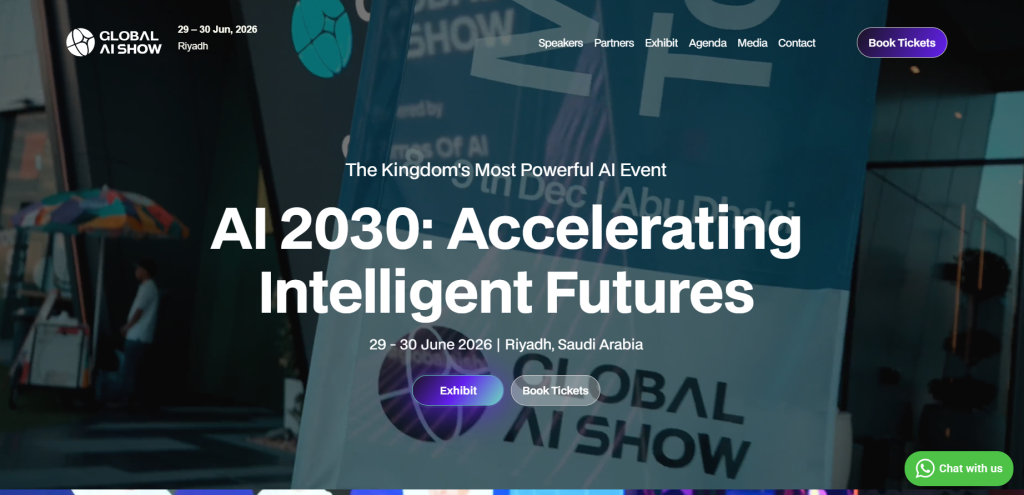
The Global AI Show Riyadh website reflects the scale and ambition of artificial intelligence events in the Middle East. Bold visuals, structured content sections, and strong calls-to-action position the event as a major international gathering for AI leaders, innovators, and policymakers.
The platform balances promotional energy with practical functionality, supporting speaker listings, agendas, and partnerships while maintaining fast performance and clear navigation across devices.
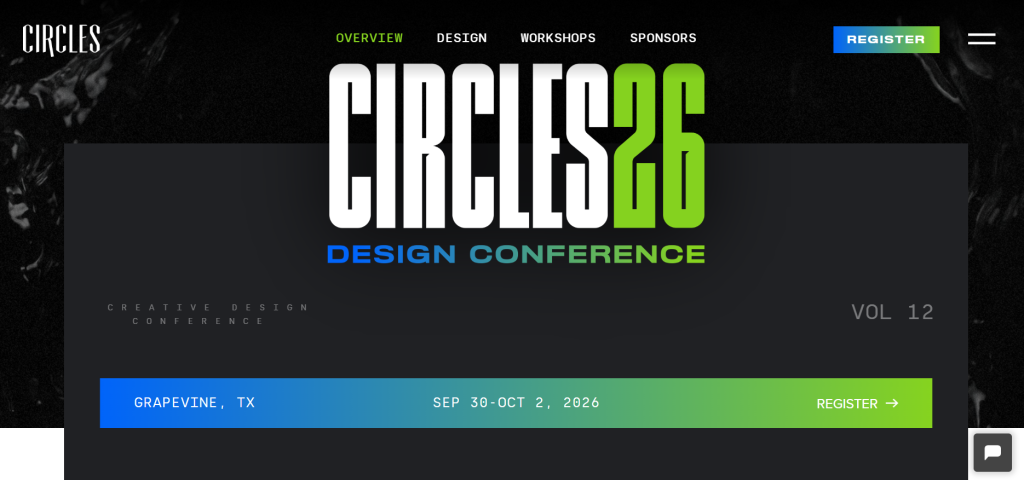
Circles Conference focuses on meaningful conversations, leadership, and community-driven learning. Its website mirrors this philosophy through a calm, human-centred design approach.
Simple layouts, thoughtful spacing, and focused content presentation create an inviting experience that encourages exploration without overwhelming the user. It is a strong example of how smaller-scale conferences can deliver impact through intentional design rather than complexity.
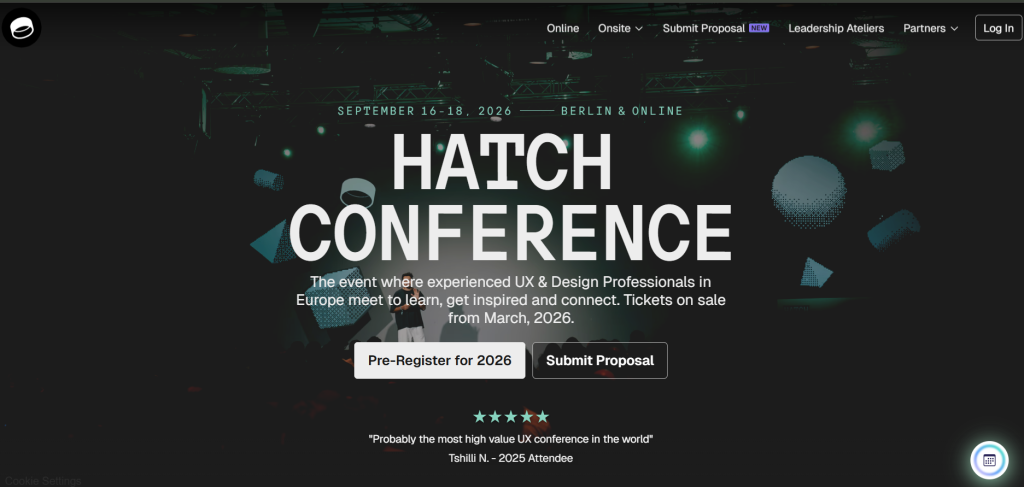
Hatch Conference positions itself at the intersection of creativity, leadership, and innovation. The website uses strong storytelling, clear structure, and modern visuals to communicate purpose and value.
By prioritising readability, speaker context, and audience relevance, the platform shows how conferences can build anticipation and trust through design that feels both professional and approachable.
10. Design Thinkers Conference
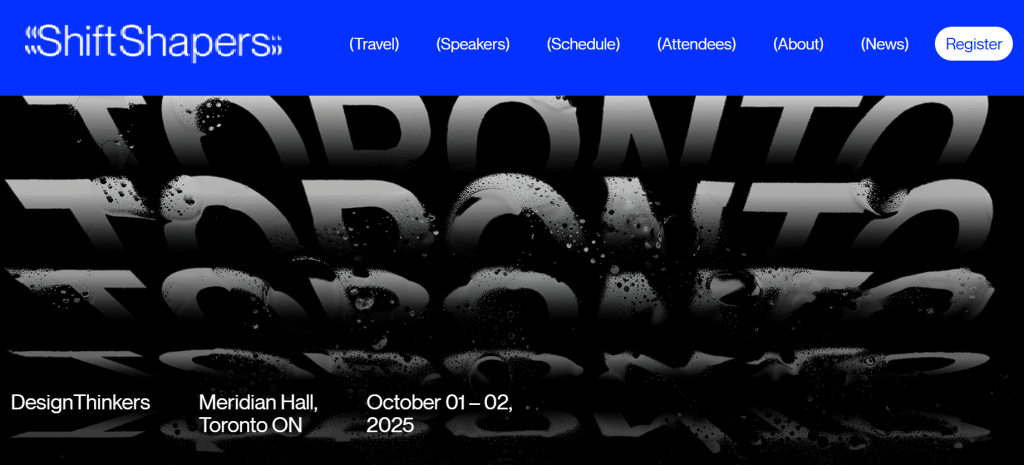
DesignThinkers is a globally recognised conference for the design community, and its website reflects deep respect for design principles. Strong typography, balanced layouts, and thoughtful interaction design support a rich programme of talks and speakers.
The platform demonstrates how content-heavy event websites can remain engaging and easy to navigate when design systems, hierarchy, and consistency are treated as core priorities.